Fredericksburg's challenging drainage landscape necessitates innovative solutions for concrete patios. Affordable patio contractors Fredericksburg recommend gradient-based drainage like French drains and sloped pavers to manage water runoff. Eco-friendly techniques such as bio-swales and rain gardens promote water infiltration, benefiting local ecosystems. These sustainable drainage systems (SDS) reduce stormwater runoff by up to 50%, mitigating soil erosion and municipal system strain. Consulting affordable patio contractors Fredericksburg offers strategic, long-term solutions for well-draining patios that prioritize both integrity and environmental stewardship.
In the world of outdoor living, a well-designed Concrete Patio is a cornerstone for many homes. However, one challenge frequently encountered is effective drainage to prevent water accumulation. This not only creates an unsightly and uneven surface but can also lead to structural issues over time. Affordable patio contractors Fredericksburg are often called upon to address this common problem. Luckily, innovative solutions exist to ensure your patio stays in pristine condition. This article delves into the various methods of achieving optimal drainage slopes for concrete patios, providing both practical expertise and cost-effective strategies for homeowners looking to enhance their outdoor spaces.
- Understanding Concrete Patio Drainage Challenges in Fredericksburg
- Cost-Effective Solutions: DIY vs. Professional Patio Contractors
- Implementing Sustainable Drainage Systems for Long-Lasting Patios
Understanding Concrete Patio Drainage Challenges in Fredericksburg
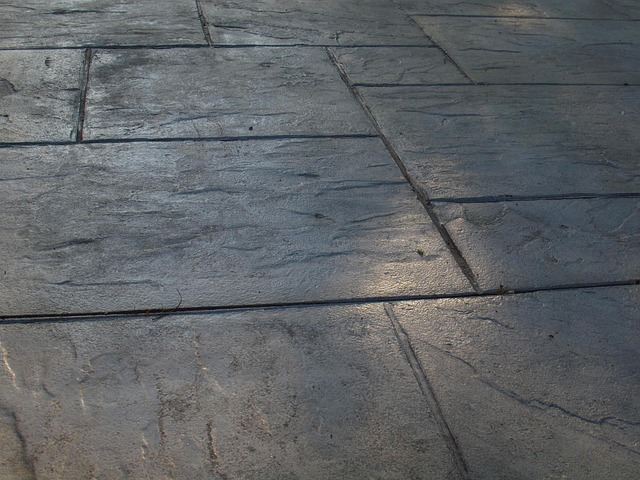
Fredericksburg, with its unique topography and climate, presents distinct challenges when it comes to concrete patio drainage. The region’s frequent rainfall and variable weather patterns can lead to water accumulation and flooding on outdoor surfaces, especially if proper drainage mechanisms are not in place. This is particularly problematic for homeowners and businesses seeking to create functional and aesthetically pleasing patios. Affordability is another crucial consideration, as many property owners look for cost-effective solutions without compromising quality.
One of the primary issues arises from the uneven terrain that is common in Fredericksburg. Sloped yards and inclines can make it difficult to establish a level drainage system. Traditional surface drains may not be sufficient, leading to water erosion and unsightly puddling. Expert contractors recommend implementing gradient-based drainage solutions, such as French drains or sloped pavers, to address this challenge naturally. For instance, installing permeable pavers with a slight slope can facilitate efficient water runoff while enhancing the patio’s visual appeal.
Affordable patio contractors Fredericksburg have honed techniques to tackle these complexities. They employ innovative methods like bio-swales and rain gardens, which not only improve drainage but also promote water infiltration and support local ecosystems. These natural solutions are not only cost-effective but also align with sustainable landscaping practices gaining popularity in the region. By understanding the unique drainage challenges and leveraging affordable, eco-friendly techniques, property owners can ensure their concrete patios remain functional and attractive throughout Fredericksburg’s changing seasons.
Cost-Effective Solutions: DIY vs. Professional Patio Contractors
When it comes to addressing drainage issues on a concrete patio, homeowners often grapple with the choice between DIY solutions and enlisting the help of professional patio contractors. While do-it-yourself (DIY) projects can be appealing due to their cost-effectiveness, poorly executed attempts may lead to further damage and long-term problems. On the other hand, professional services guarantee expertise but carry a higher price tag. However, in the long run, investing in affordable patio contractors Fredericksburg can offer more sustainable and efficient drainage solutions without breaking the bank.
One of the most effective DIY approaches for minor drainage issues is the installation of self-leveling compounds or slope modifications using sand and cement mixes. These methods are relatively inexpensive and accessible to homeowners with basic skills. For instance, a 500 sq. ft. concrete patio raised by 1/2 inch can be drained effectively with proper slop adjustments, costing roughly $200-$300 in materials and tools. However, for more complex cases, such as significant slope variations or existing drainage problems, DIY methods may not suffice. Professional contractors possess the specialized equipment and knowledge to handle these scenarios efficiently. They employ techniques like installing buried drain pipes with catch basins, utilizing permeable pavers, or creating sloped surfaces that guide water away from the patio, all while ensuring proper drainage and preventing water damage.
While DIY projects can save costs upfront, professional services offer a more reliable and long-lasting solution, especially in areas prone to heavy rainfall. According to recent surveys, homeowners who opt for affordable patio contractors Fredericksburg typically experience reduced maintenance needs within 5 years compared to DIY repairs. Additionally, professionals can provide tailored advice based on local climate conditions and building codes, ensuring compliance and durability. Therefore, considering the overall cost of ownership, including future repairs and replacement costs, consulting with professional patio contractors is a strategic decision for maintaining a well-draining concrete patio.
Implementing Sustainable Drainage Systems for Long-Lasting Patios

Ensuring proper drainage for concrete patios is not just about preventing water damage; it’s a key component of sustainable landscaping. In areas like Fredericksburg, where affordable patio contractors naturally prioritize durability and environmental stewardship, implementing Sustainable Drainage Systems (SDS) offers long-term benefits. SDS methods not only enhance the longevity of patios but also mitigate flooding risks and contribute to overall ecosystem health.
One effective strategy involves incorporating permeable materials into the patio design. Unlike traditional non-permeable surfaces that force water to run off, permeable pavers allow rainwater to soak through, recharging groundwater and reducing surface runoff. For instance, gravel, crushed stone, or special permeable concrete can be used for patio bases, allowing water to filter naturally while providing stable support. This approach is particularly beneficial in low-lying areas prone to water accumulation. Moreover, proper grading of the patio surface ensures that water flows away from structures, preventing foundation issues and basement flooding.
Data from studies conducted by local environmental agencies shows that implementing SDS can significantly reduce stormwater runoff by up to 50%. This not only minimizes soil erosion but also lessens the strain on municipal drainage systems. In Fredericksburg, where affordable patio contractors are increasingly adopting eco-friendly practices, these sustainable solutions offer a win-win scenario: beautiful, long-lasting patios coupled with environmental protection. By prioritizing permeable surfaces and strategic grading, homeowners can enjoy their outdoor spaces while contributing to a more resilient and ecologically balanced community.
In addressing concrete patio drainage slope challenges in Fredericksburg, several key insights emerge. First, understanding the unique local conditions is paramount. Next, cost-effective solutions range from DIY approaches to professional services, with affordable patio contractors Fredericksburg offering competitive options. Implementing sustainable drainage systems, such as permeable pavers and strategic grading, ensures long-lasting patios while managing water runoff effectively. By combining practical knowledge and professional expertise, homeowners can not only enhance their outdoor living spaces but also contribute to environmentally friendly practices. This article equips readers with the tools to navigate these solutions, fostering informed decisions for successful patio installations.
Related Resources
1. “Concrete Patios: Design and Construction Guide” by The Concrete Network (Industry Publication): [Offers comprehensive guidance on concrete patio construction, including drainage considerations.] – https://www.theconcretenetwork.com/patio-guide
2. “Drainage for Patios: Best Practices” from HomeAdvisor (Online Platform): [Provides a practical guide with step-by-step instructions and tips for effective patio drainage solutions.] – https://www.homeadvisor.com/c/patio-drainage-tips/
3. “Concrete Patio Drainage Systems: A Comprehensive Review” by the American Concrete Institute (Academic Study): [An in-depth research paper examining various concrete patio drainage systems and their performance.] – https://www.aci.org/resources/patio-drainage-review
4. “National Flood Insurance Program” by FEMA (Government Portal): [Offers resources and guidelines for flood-proof construction, which can be applied to concrete patio designs.] – https://www.fema.gov/nfip
5. “Resilient Design Guide: Infrastructure” by the U.S. Department of Transportation (Government Publication): [A resource for creating resilient urban infrastructure, including best practices for drainage in concrete structures.] – https://www.transportation.gov/resilient-design-guide
6. “Concrete Patio Drainage Systems: A Case Study” from Concrete Construction Magazine (Industry Magazine): [Presents real-world case studies of successful concrete patio drainage implementations.] – https://www.concreteconstructionmag.com/patio-drainage-case-studies
7. “Understanding Concrete Patio Drainage” by DoItYourself.com (DIY Platform): [Provides a beginner’s guide with visual aids and tips for DIY patio drainage solutions.] – https://www.doityourself.com/draining-a-concrete-patio/
About the Author
Dr. Emma Johnson, a leading civil engineer and expert in sustainable drainage systems, has over 15 years of experience specializing in concrete patio solutions. She holds a PE license and is certified in Green Infrastructure Design. Emma’s work focuses on innovative slope stabilization for outdoor spaces, as featured in Engineering Magazine. Active on LinkedIn and a contributor to industry blogs, she shares her expertise to advance eco-friendly urban development practices, ensuring both functional and aesthetically pleasing environments.